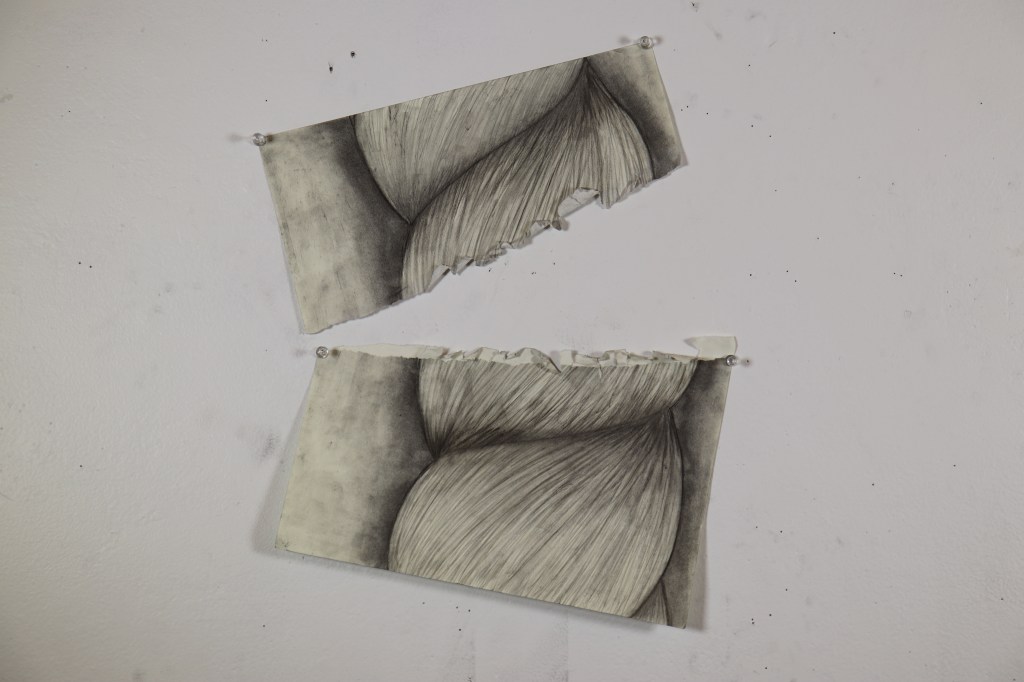
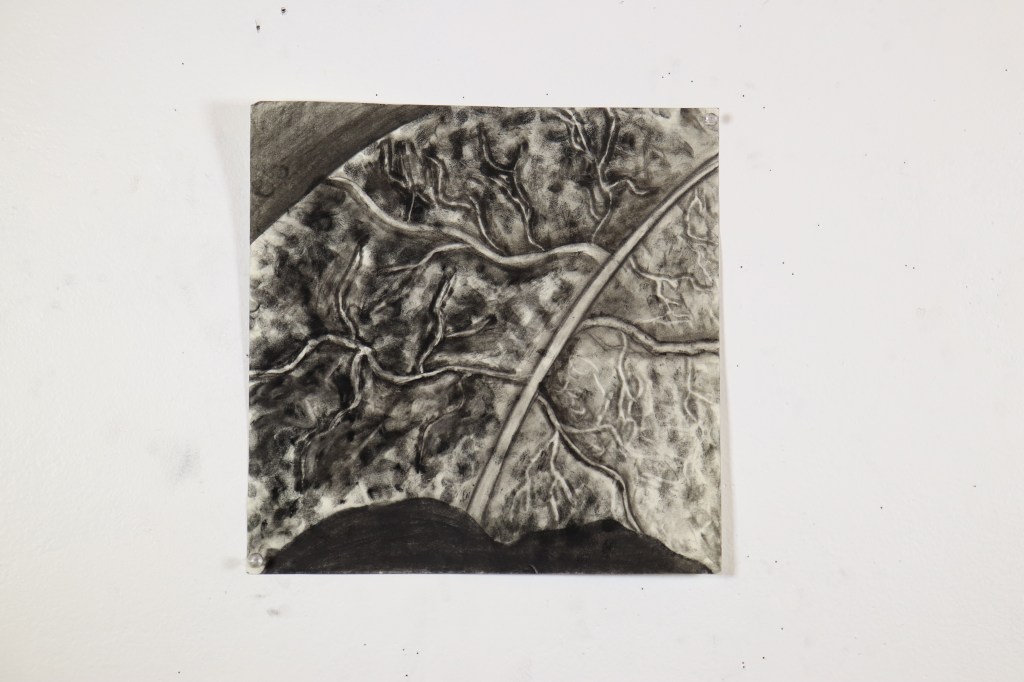
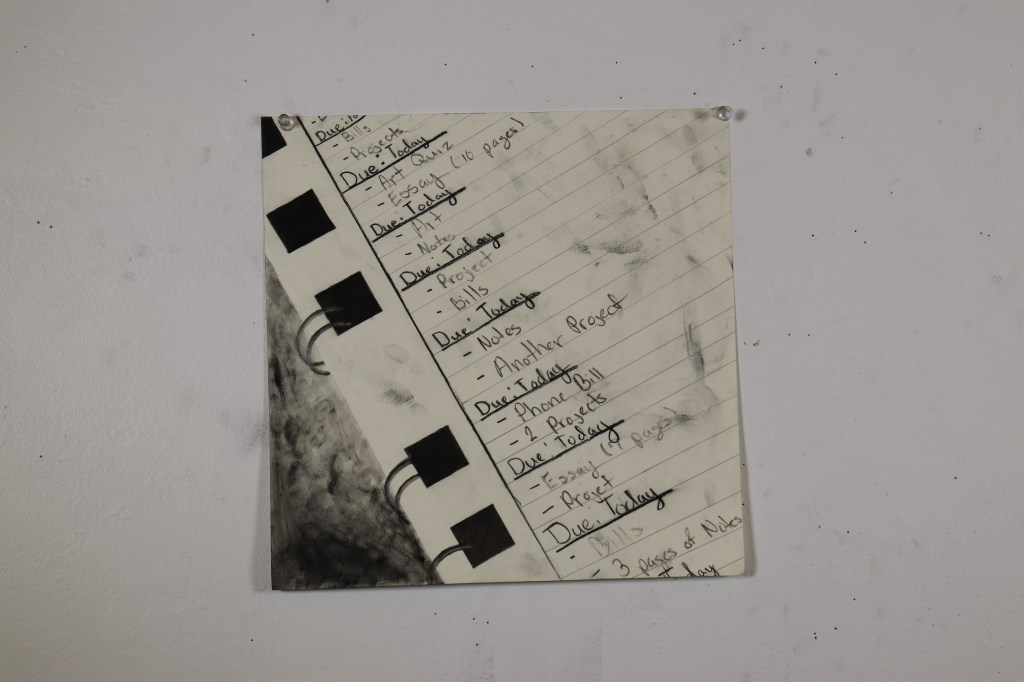
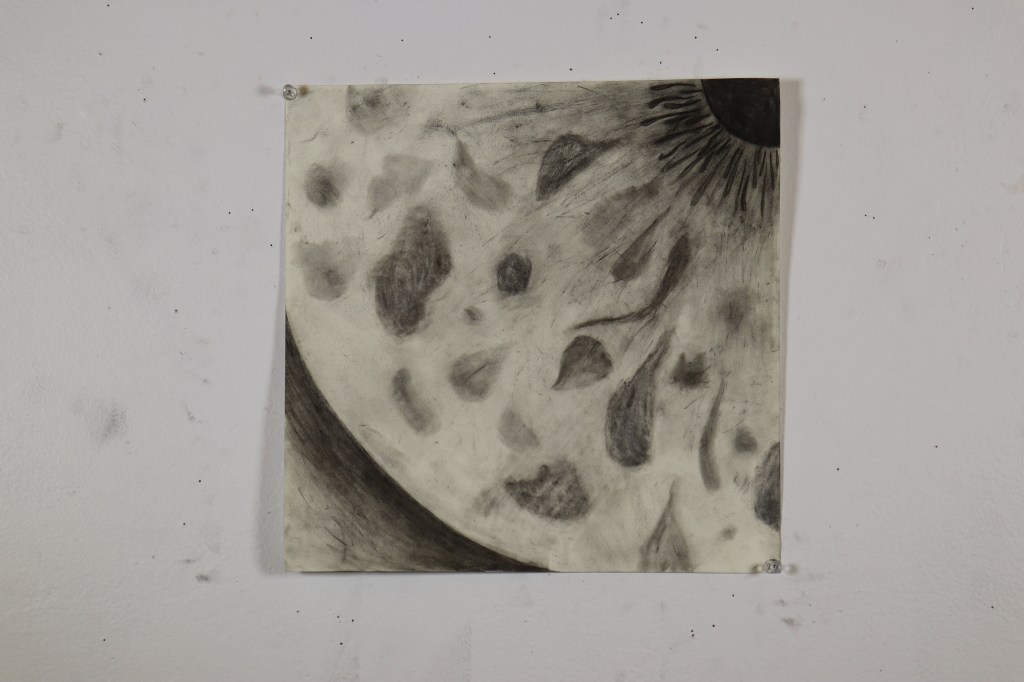
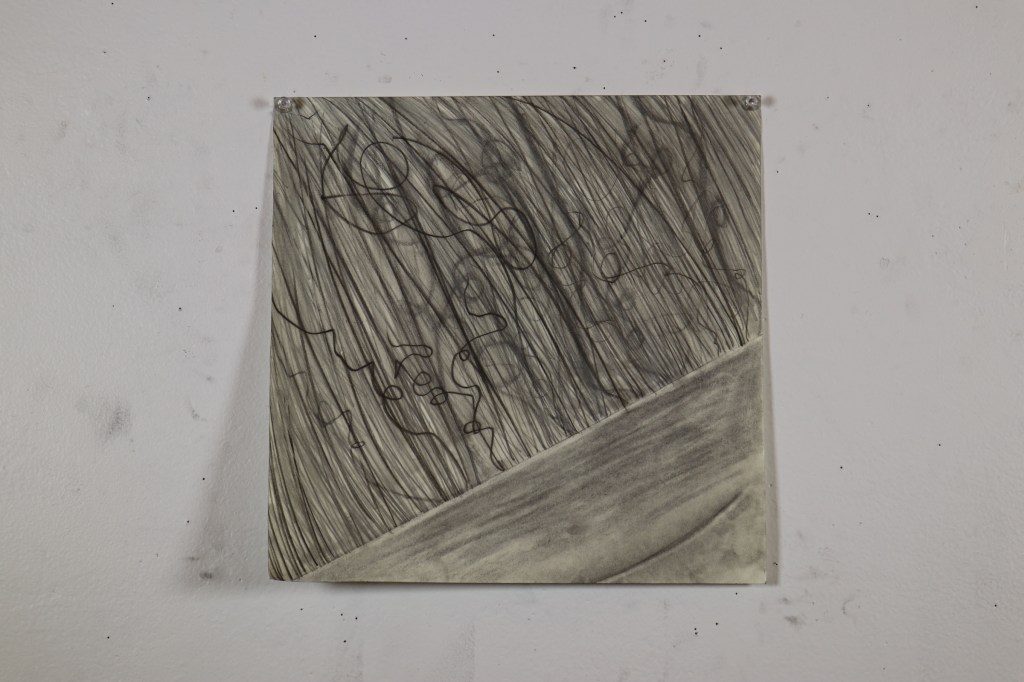

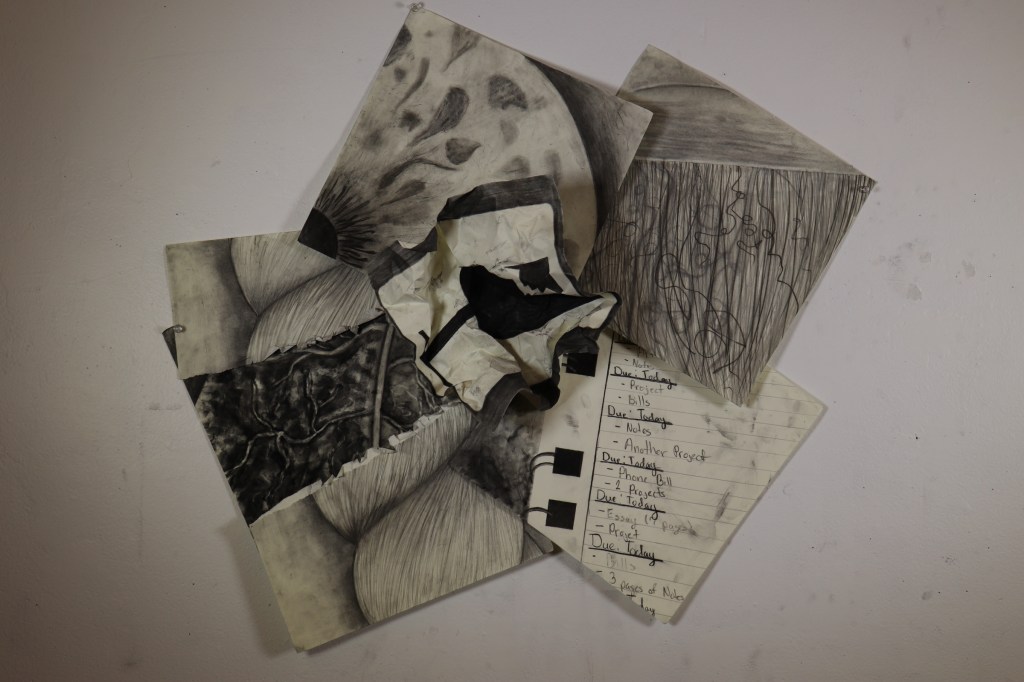
For my sources I chose seven things that give me anxiety and I had planned on zooming into the chosen pictures and showing off more of their detail.


WHY DO I HAVE ANXIETY?
Why this question?
How is it used in art?
Art works


Chapter 5: Problem Seeking and Problem Solving
Chapter 6: Cultivating Creativity
Chapter 7: Developing Critical Thinking
– Form – the physical manifestation of an idea or emotion
– Subject – most apparent when it clearly represents a person, object, event, or a setting.
– Content – Underlying theme
– Objective and subjective critiques
– Objective criticism – to access how well a work of art or design uses the elements and principals or design
– Subjective Criticism – to describe the personal impact of an image, the natural implications of an idea, or the cultural ramifications of an action.
– Critique Strategies
– Description – Descriptive critique – can help see details and heighten our understanding of the design.
– Cause and effect – Cause and effect critique (formal analysis)
– Compare and contrast – identify similarities and differences between two images
– Developing a lot term project
– Week One – determine essential concept, explore polarities, move from general to specific, move from personal to universal
– week Two – Develop Alternatives, edit out nonessentials, amplify essentials
– Turn up the heat – push your projects potential
– Transformation – size of relationship between artist and viewer, work three dimensionally, change materials
– Reorganize
– Develop a self-assignment
Chapter 8: Constructing Meaning
Chapter 1: Basic Elements
Point – Basic mark, such as a dot, pixel or brushstroke
Line – One of the simplest and most versatile elements of design
Shape
Definition
Chapter 2: The Element of Color
Color
Chroma– The purity, intensity, or saturation of a color
Chapter 3: Principles of Two-Dimensional Design
Be yourself; Everyone else is already taken.
— Oscar Wilde.
This is the first post on my new blog. I’m just getting this new blog going, so stay tuned for more. Subscribe below to get notified when I post new updates.
This is an example post, originally published as part of Blogging University. Enroll in one of our ten programs, and start your blog right.
You’re going to publish a post today. Don’t worry about how your blog looks. Don’t worry if you haven’t given it a name yet, or you’re feeling overwhelmed. Just click the “New Post” button, and tell us why you’re here.
Why do this?
The post can be short or long, a personal intro to your life or a bloggy mission statement, a manifesto for the future or a simple outline of your the types of things you hope to publish.
To help you get started, here are a few questions:
You’re not locked into any of this; one of the wonderful things about blogs is how they constantly evolve as we learn, grow, and interact with one another — but it’s good to know where and why you started, and articulating your goals may just give you a few other post ideas.
Can’t think how to get started? Just write the first thing that pops into your head. Anne Lamott, author of a book on writing we love, says that you need to give yourself permission to write a “crappy first draft”. Anne makes a great point — just start writing, and worry about editing it later.
When you’re ready to publish, give your post three to five tags that describe your blog’s focus — writing, photography, fiction, parenting, food, cars, movies, sports, whatever. These tags will help others who care about your topics find you in the Reader. Make sure one of the tags is “zerotohero,” so other new bloggers can find you, too.

 Site Title